Virtual Visits, Real Prescriptions: Why 24/7 Pharmacy Access Is the Final Frontier of Modern Telehealth
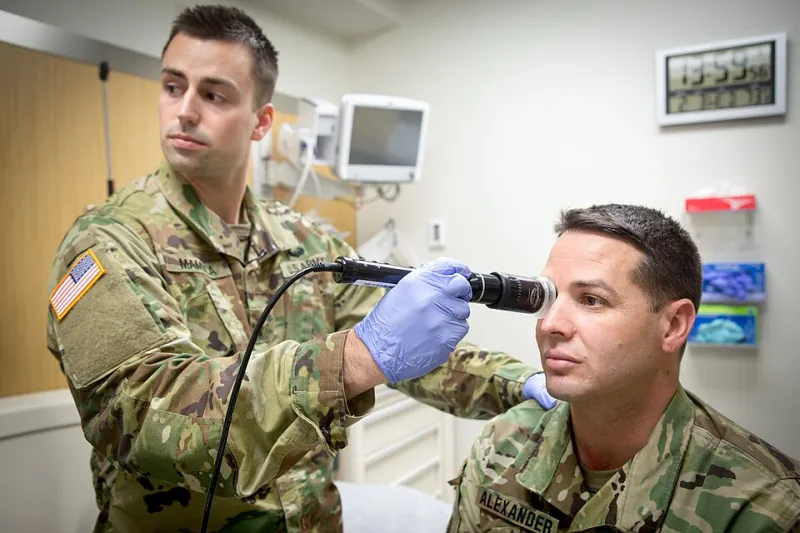
Photo: David Gillespie, Public domain, via Wikimedia Commons
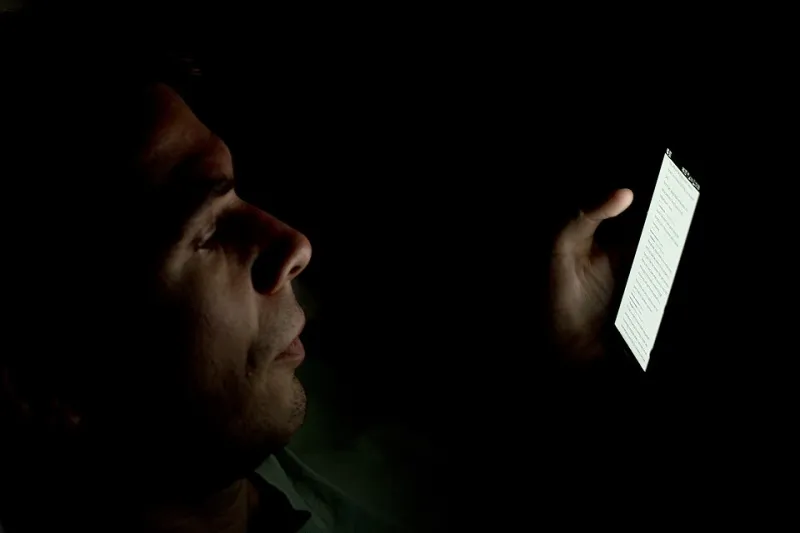
At 11:47 on a Tuesday night, a parent in suburban Ohio sits beside a feverish child, phone in hand. Within twenty minutes, a licensed physician appears on screen, diagnoses a bacterial ear infection, and sends an electronic prescription to the family's pharmacy of record. The telehealth appointment worked exactly as advertised—fast, professional, and available at an hour when no pediatrician's office is open. The prescription, however, will not be ready until the pharmacy unlocks its doors at nine the following morning.
This scenario is not an outlier. It is, increasingly, the norm.
The Promise Telehealth Made—and the Gap It Left Open
Over the past several years, virtual healthcare has undergone a transformation that few industries can match. Platforms connecting patients with licensed physicians, nurse practitioners, and mental health professionals now operate continuously, serving millions of Americans who would otherwise wait days for an appointment or endure hours in an urgent care waiting room. The convenience is real and well-documented. According to data from the American Medical Association, telehealth utilization surged dramatically in recent years and has remained elevated even as in-person care resumed.
Yet the design of telehealth addresses only one half of the care equation. A consultation produces a diagnosis and, in many cases, a prescription. That prescription requires a dispensing pharmacy. And most dispensing pharmacies in the United States operate on schedules that bear little resemblance to the around-the-clock availability that made telehealth so appealing in the first place.
The result is what might fairly be called the telehealth paradox: a system that empowers patients to receive medical guidance at any hour, then leaves them waiting for the treatment that guidance recommended.
When the Clock Works Against You
Consider a few concrete situations in which the timing mismatch creates genuine hardship.
The traveler with a sudden infection. A business traveler arrives in a city two time zones from home on a Sunday evening. By midnight, she recognizes the unmistakable signs of a urinary tract infection. She opens a telehealth app, speaks with a physician within fifteen minutes, and receives a prescription for an antibiotic. The nearest 24-hour pharmacy, however, is eleven miles away. Her hotel's front desk confirms that the two closest chain pharmacies do not open until eight in the morning. She spends the night in discomfort, waiting.
The parent managing a child's asthma. A child's rescue inhaler runs out late on a Friday evening. The pediatrician's after-hours line connects the family with a telehealth provider who authorizes a refill. The family's regular pharmacy closes at nine. The prescription sits in a queue until Saturday morning—hours during which the child's breathing remains a source of anxiety.
The adult managing a chronic condition. A patient who takes a daily medication for hypertension realizes on a holiday evening that his supply has run out earlier than expected. A telehealth consultation confirms the need to continue uninterrupted. Once again, the prescription is ready. The pharmacy is not.
In each case, the telehealth system functioned as designed. The bottleneck was not the physician, the diagnosis, or the prescription—it was the final step of actually obtaining the medication.
The Infrastructure Gap No One Talks About
The healthcare industry has invested enormous resources in expanding virtual access to physicians. App development, licensing reciprocity agreements between states, and insurance reimbursement for telehealth services have all advanced considerably. What has not advanced at the same pace is the availability of pharmacies capable of fulfilling those after-hours prescriptions.
According to data from the National Community Pharmacists Association, the majority of independent pharmacies in the United States maintain traditional daytime and early evening hours. Even many large retail chains—which once operated extended hours—have reduced pharmacy staffing in recent years, creating gaps in overnight coverage that compound the telehealth access problem.
For patients in rural areas, the situation is more acute. A telehealth platform may reach a patient in a remote county in Montana just as easily as one in downtown Chicago. But the infrastructure to fill a prescription at two in the morning is vastly different across those two geographies.
What True After-Hours Care Actually Requires
Complete after-hours medical care has three components: access to a qualified clinician, the ability to receive a diagnosis and treatment plan, and the ability to obtain any prescribed medication or health product without delay. Telehealth has largely solved the first two components. The third remains the weak link.
An online pharmacy that operates every hour of every day addresses that weak link directly. When a telehealth provider transmits an electronic prescription at midnight, a 24/7 online pharmacy can begin processing that order immediately rather than queuing it for the following morning. For medications that can be shipped overnight or dispensed through established mail-order systems, the gap between prescription and treatment narrows considerably.
This matters not only for acute conditions but also for patients managing ongoing prescriptions. Someone who runs out of a critical medication on a Sunday evening should not have to choose between skipping a dose and driving to a distant emergency room. A pharmacy that never closes provides a practical alternative.
Filling the Gap in Practice
For patients who rely on telehealth services, a few practical steps can reduce the risk of finding themselves prescription-in-hand with nowhere to fill it.
First, establish a relationship with an online pharmacy before you need it urgently. Creating an account, verifying insurance, and understanding the ordering process during a non-urgent moment means those steps are already complete when time becomes a factor.
Second, confirm that your telehealth provider can transmit e-prescriptions to your pharmacy of choice. Most major platforms support electronic prescribing to a wide range of pharmacies, including online options.
Third, maintain an awareness of your current medication supply levels, particularly for chronic conditions. Running a prescription to the last dose before reordering eliminates any buffer for unexpected delays.
Finally, recognize that the value of a 24/7 pharmacy extends beyond prescriptions. Over-the-counter medications, medical supplies, and health monitoring tools are equally subject to the problem of inconvenient timing. A pharmacy that operates around the clock can serve as a reliable source for all of these needs, regardless of the hour.
The Complete Circle of Care
Telehealth has genuinely democratized access to medical expertise. A working parent, a night-shift employee, a traveler far from home—all of them can now speak with a licensed clinician at a time that fits their lives rather than a clinic's schedule. That achievement is significant and worth acknowledging.
But the circle of care is not complete until the treatment a clinician recommends is actually in the patient's hands. A prescription unfilled is a diagnosis unaddressed. As telehealth continues to grow and as more Americans come to expect healthcare on their own schedule, the demand for pharmacies that match that availability will only increase.
At MedShop 24x7, the operating philosophy is straightforward: if your healthcare doesn't stop at closing time, neither should your pharmacy. The telehealth revolution is well underway. The pharmacy infrastructure that completes it is available right now, at any hour you need it.