Awake at 3 AM and Searching for Solutions: What Sleep Disorders Are Really Costing Americans

Photo: Federal Theatre Project, Public domain, via Wikimedia Commons
The Quiet Crisis Happening While Most People Sleep
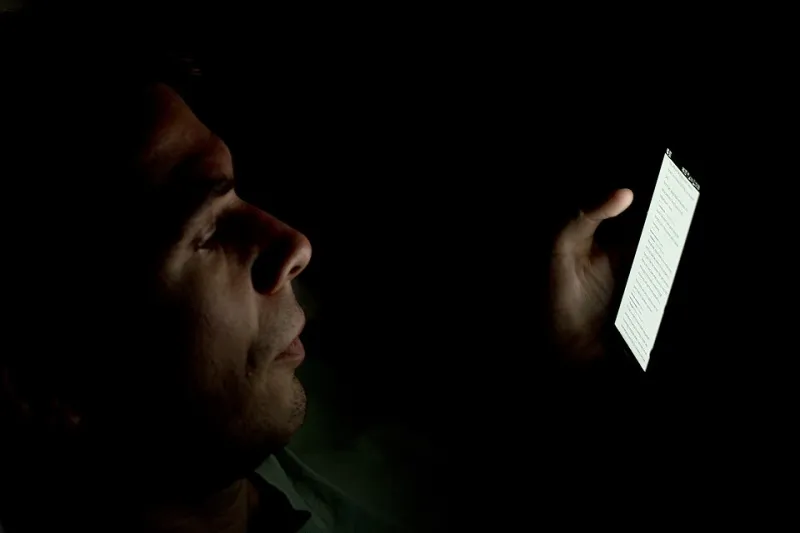
Somewhere in America right now, a person is lying in bed staring at the ceiling. It is 3:17 in the morning. They have been awake for two hours. Tomorrow—or rather, later today—they have a meeting, a school run, a deadline. The fatigue is familiar. So is the frustration. And increasingly, so is the impulse to pick up a phone and search for something, anything, that might help.
According to the Centers for Disease Control and Prevention, roughly one in three American adults regularly fails to get sufficient sleep. Chronic insomnia, defined as difficulty falling or staying asleep at least three nights per week for three or more months, affects an estimated 10 to 30 percent of the adult population. These are not simply tired people. They are individuals experiencing a measurable health condition with cascading consequences—impaired cognition, weakened immune response, elevated cardiovascular risk, and heightened emotional reactivity.
What is less frequently discussed is how this condition reshapes consumer behavior, particularly after midnight.
Why Insomnia Drives People to Search for Help in the Dark
The timing is not coincidental. Sleep specialists note that the hours between 2 and 5 AM represent a physiological low point in the body's circadian rhythm, even for those who are not ordinarily poor sleepers. For someone already struggling with insomnia, this window can feel particularly acute. The body is signaling distress, the mind is amplifying it, and the absence of any available support—a pharmacist, a physician, a clinic—creates a sense of urgency that pushes people toward self-directed solutions.
Dr. Rebecca Hartley, a sleep medicine physician practicing in the Chicago area, explains it plainly: "When someone cannot sleep at 3 AM, they are not thinking rationally about long-term treatment plans. They are in acute discomfort and looking for something accessible. The problem is that without guidance, they may reach for products that are not appropriate for their specific situation."
This is precisely why access to knowledgeable pharmacy resources around the clock carries genuine clinical relevance. The decision made at 3 AM—whether to try melatonin, a diphenhydramine-based sleep aid, a magnesium supplement, or an herbal formula—is a health decision, not merely a shopping choice.
Understanding the Landscape of Nighttime Sleep Aids
For Americans seeking over-the-counter relief, the options fall into several broad categories, each with distinct mechanisms and appropriate use cases.
Melatonin remains the most widely used sleep supplement in the United States. It is a hormone naturally produced by the pineal gland in response to darkness, and supplemental forms are intended to support the body's sleep-wake cycle rather than induce sedation. Melatonin is most effective for circadian disruptions—jet lag, shift work, or difficulty falling asleep at the desired time. It is generally considered appropriate for short-term use across most adult populations.
Antihistamine-based sleep aids, such as those containing diphenhydramine or doxylamine, work by blocking histamine receptors and producing drowsiness as a side effect. They are widely available and fast-acting, which makes them appealing in acute situations. However, they carry a meaningful risk of next-day grogginess and are not recommended for older adults due to anticholinergic effects. Tolerance also develops quickly, limiting their utility for ongoing sleep difficulties.
Magnesium glycinate and L-theanine are among the supplement-based options that have gained traction in recent years. Evidence supporting their efficacy is more limited than for pharmaceutical options, but both are associated with low side-effect profiles and may support relaxation without significant sedative effects.
Herbal preparations—including valerian root, passionflower, and chamomile—occupy a distinct space. They are broadly available, culturally familiar, and generally well-tolerated, though clinical evidence for their effectiveness varies considerably.
The Difference Between a Quick Fix and a Sustainable Path
The critical distinction that sleep specialists emphasize is between managing a single difficult night and addressing an underlying pattern. A one-time dose of melatonin before an early flight is categorically different from relying on sleep aids three or four nights per week for months at a time.
Cognitive Behavioral Therapy for Insomnia, widely known as CBT-I, is currently considered the gold-standard first-line treatment for chronic insomnia by the American Academy of Sleep Medicine. It addresses the behavioral and psychological factors that perpetuate sleeplessness—conditioned arousal, sleep anxiety, irregular schedules—without the dependency risks associated with pharmacological approaches. Digital CBT-I programs have expanded access to this therapy significantly, and several are available without a prescription.
For those whose sleep disruption stems from identifiable secondary causes—sleep apnea, restless legs syndrome, anxiety disorders, or medication side effects—treatment of the underlying condition is essential. No over-the-counter remedy will adequately address obstructive sleep apnea, and attempting to self-manage that condition through supplements alone represents a genuine health risk.
Making Informed Decisions at Unconventional Hours
At MedShop 24x7, we recognize that health needs do not conform to business hours. Someone awake at 3 AM with a racing mind and exhausted body should have access to accurate product information, clear labeling, and a curated selection of evidence-informed options—not just whatever happens to be available on a shelf.
When navigating nighttime wellness decisions, a few principles are worth keeping in mind:
- Match the product to the problem. Melatonin supports circadian alignment; antihistamines induce sedation. These are different tools for different situations.
- Start with the lowest effective dose. Many sleep supplements are available in a range of dosages, and more is not always better.
- Track patterns, not just symptoms. A simple sleep log—noting bedtime, wake time, perceived sleep quality, and any products used—can provide valuable data for a healthcare provider.
- Use OTC options as bridges, not foundations. Short-term relief is legitimate. Long-term dependence on sleep aids without professional evaluation is a pattern worth examining.
The person lying awake at 3:17 in the morning deserves more than a random product search. They deserve access to thoughtful, accurate information and a pharmacy that is genuinely available when they need it most. That is the commitment behind everything MedShop 24x7 offers—every hour, without exception.