December's Hidden Health Hazards: Preparing Your Medicine Cabinet Before the Holiday Rush Begins
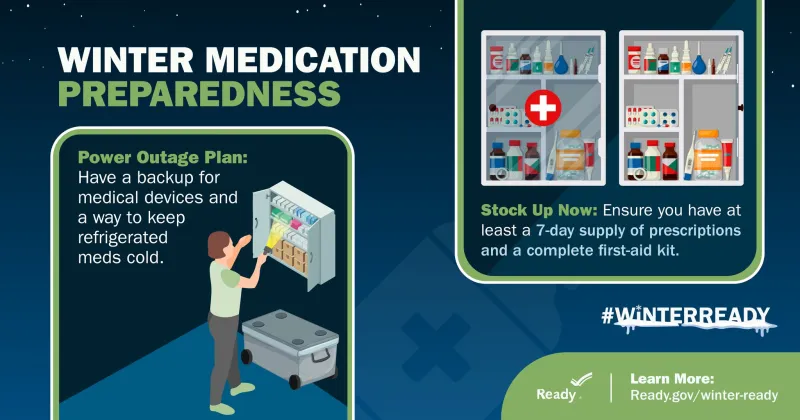
Photo: holiday medicine cabinet preparation first aid supplies winter health, via www.bereadylexington.com
December Is Not Like Other Months
For most American households, December operates at a different frequency than the rest of the year. Schedules compress. Travel increases. Dietary patterns shift dramatically. Social obligations multiply. Children are home from school. Elderly relatives visit or are visited. And threading through all of it is a persistent undercurrent of stress that rarely appears on any holiday checklist.
From a public health standpoint, this combination of factors creates a predictable—and largely preventable—surge in health complications. Emergency rooms see increased traffic. Urgent care clinics fill up. And retail pharmacies, operating on holiday hours with reduced staff, are frequently unavailable precisely when a household discovers it is out of fever reducer at 11 PM on Christmas Eve.
The solution is not reactive. It is preparatory. Understanding what December's specific health risks look like—and having the right supplies on hand before the season peaks—is the most effective strategy available to American families.
The Seasonal Health Threats Most Families Underestimate
Respiratory illness is the most statistically significant December health threat. Influenza activity in the United States typically begins climbing in October and reaches peak intensity between December and February. Respiratory syncytial virus (RSV) follows a similar trajectory. Cold viruses, while present year-round, spread more efficiently in colder temperatures and in the kind of crowded indoor settings that characterize holiday gatherings.
A family reunion or holiday party is, from an epidemiological perspective, an efficient transmission event. Guests arrive from different regions, carrying different viral strains. Children mix freely. Handshakes and hugs are exchanged. The incubation period for influenza is typically one to four days, meaning someone infected at a Christmas gathering may not develop symptoms until well after returning home—often in an unfamiliar city, far from their usual pharmacy.
Stress-related health events represent a second, frequently overlooked category. The American Psychological Association consistently identifies the holiday season as a peak period for reported stress, with financial pressure, family dynamics, and time demands cited as primary drivers. Physiologically, sustained stress suppresses immune function, elevates blood pressure, disrupts sleep, and exacerbates conditions including migraines, gastrointestinal disorders, and anxiety. The individual who never gets headaches may find December is different.
Dietary and alcohol-related complications are also seasonally concentrated. Richer foods, larger portions, and increased alcohol consumption create conditions favorable to acid reflux, indigestion, and dehydration. For individuals managing diabetes or cardiovascular conditions, the disruption of ordinary dietary routines carries additional clinical significance.
Cold weather injuries—including frostbite, hypothermia, and exacerbations of conditions such as Raynaud's phenomenon—are particularly relevant in northern states, where outdoor holiday activities and travel in adverse conditions increase exposure risk.
What Belongs in a December-Ready Medicine Cabinet
Building a seasonally appropriate medicine cabinet is not about hoarding supplies. It is about ensuring that the most likely health scenarios in your household have a first response available without requiring a 10 PM pharmacy run.
Fever and Pain Management
Acetaminophen and ibuprofen should be stocked in quantities sufficient to last through the season, with age-appropriate formulations on hand if children will be present. Fever in adults warrants monitoring; fever in young children, particularly those under three months, requires prompt medical evaluation regardless of the hour.
Cold and Flu Symptom Relief
Decongestants, antihistamines, cough suppressants, and throat lozenges address the symptom clusters most associated with seasonal respiratory illness. Nasal saline rinse kits have strong evidence supporting their effectiveness in reducing congestion and shortening illness duration. Electrolyte packets and oral rehydration solutions are valuable for managing fever-related fluid loss.
Gastrointestinal Support
Antacids, H2 blockers, and simethicone address the range of digestive complaints most commonly associated with holiday dietary patterns. Anti-diarrheal medications and probiotics round out a functional GI preparedness kit.
Wound Care Essentials
December involves more cooking, more home decorating, and more unfamiliar kitchens—all of which increase the likelihood of minor cuts and burns. Adhesive bandages in multiple sizes, sterile gauze, antiseptic solution, and antibiotic ointment should be current and accessible.
Travel-Specific Additions
For households with holiday travel planned, motion sickness medications, compression socks for long flights, and a travel-sized supply of any prescription medications should be organized well in advance. Prescription refills should be requested before departure—not the day before.
Why Holiday Hours Create Real Vulnerability
The logistical reality of December is that many retail pharmacies operate on abbreviated holiday schedules. Christmas Day, New Year's Day, and the days immediately surrounding them often see dramatically reduced pharmacy hours across the country. In rural areas, the nearest open pharmacy may be a significant drive even under normal conditions.
This matters because health emergencies do not observe holidays. A child's fever that spikes at 10 PM on December 26th, an allergic reaction to a new food at a New Year's Eve gathering, a grandparent's blood pressure medication that was accidentally left at home—these are not hypothetical scenarios. They are the kinds of situations that send families scrambling for options when traditional retail infrastructure is unavailable.
At MedShop 24x7, our operating model exists precisely for these moments. An online pharmacy that is genuinely accessible every hour of every day removes the calendar from the equation. Whether it is the afternoon of December 23rd or the early hours of January 1st, the same inventory, the same product information, and the same ordering capability are available.
The Case for Preparing Before You Need To
The most important December pharmacy trip is the one you take in November. Reviewing your household's current supplies before the season begins—checking expiration dates, identifying gaps, and ordering what you are likely to need—is a straightforward exercise that pays significant dividends when the inevitable inconvenient moment arrives.
Health preparedness is not pessimism. It is the recognition that a well-stocked medicine cabinet is a form of household resilience, one that keeps minor health disruptions minor and allows the holiday season to be what it is intended to be: a period of connection, rest, and genuine enjoyment.
MedShop 24x7 is here to support that preparation—and to be available on the nights when preparation was not quite enough.