Cart at Midnight: What Late-Night Health Shopping Reveals About How Americans Manage Their Wellbeing
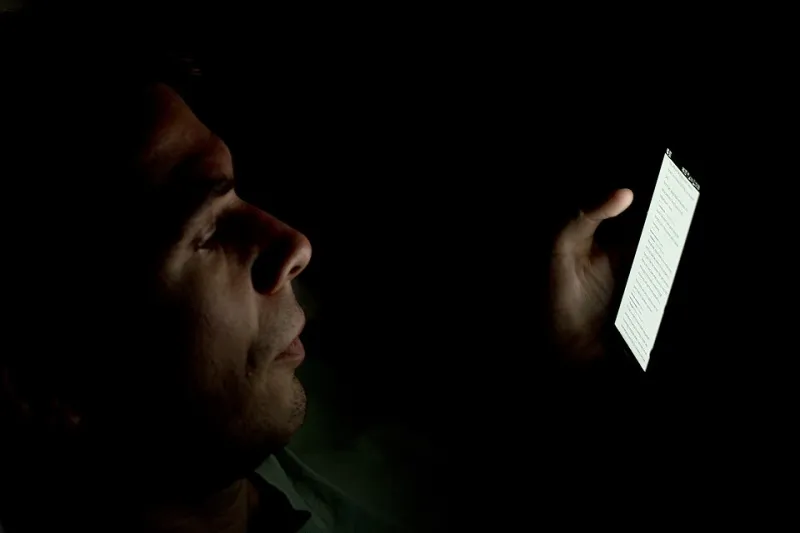
Photo: Japanexperterna.se from Japan, CC BY-SA 2.0, via Wikimedia Commons
Something unusual happens between the hours of midnight and 4 AM on health and pharmacy websites across the United States. Traffic does not simply taper off the way it might on a retail fashion site or a travel booking platform. Instead, it holds—and in many categories, it surges. Sleep aids, antacids, pain relievers, allergy medications, and immune supplements move through digital checkout queues while most of the country is, theoretically, asleep.
At MedShop 24x7, we see this pattern every single night. And rather than simply accepting it as a quirk of the internet age, we wanted to understand it. What is actually driving Americans to shop for health products at 3 AM? Are those purchases well-considered, or are they the product of exhaustion and anxiety? And what does this trend reveal about how modern consumers relate to their own health?
The Numbers Behind the Nighttime Rush
While precise industry-wide figures are difficult to aggregate, behavioral data from e-commerce health platforms consistently shows that a meaningful percentage of daily health product orders—often between 15 and 25 percent, depending on the category—are placed between 10 PM and 5 AM. Sleep-related products unsurprisingly peak in this window, but so do digestive health items, cold and flu remedies, and even certain chronic illness management supplies.
This is not a fringe behavior. It represents millions of transactions annually, driven by millions of individuals who, for one reason or another, found themselves unable to wait until morning.
So who are these shoppers? The answer is more varied than you might expect.
The Insomniac Who Becomes a Health Researcher
For many Americans, the hours between midnight and dawn are not restful—they are ruminative. Lying awake, the mind wanders, and health concerns that seemed manageable during the busy daylight hours suddenly feel urgent. A mild headache that was ignored after dinner becomes, at 1 AM, a cause for quiet worry. A cough that was unremarkable at noon feels more pronounced in a silent bedroom.
This phenomenon—sometimes called "health salience at night"—is well-documented in behavioral health research. When external stimulation drops and the body is still, people become more attuned to physical sensations. Discomfort that was masked by the noise of daily life rises to the surface.
For some, this heightened awareness leads to productive action: researching symptoms, identifying appropriate over-the-counter remedies, and placing an order so that relief is available by morning. For others, it can tip into health anxiety—a cycle in which perceived symptoms trigger worry, which triggers more symptom-monitoring, which amplifies discomfort.
The critical question is whether the resulting purchase is a smart health decision or an anxiety-driven one.
Symptom-Triggered Purchasing: Smart Preparation or Emotional Spending?
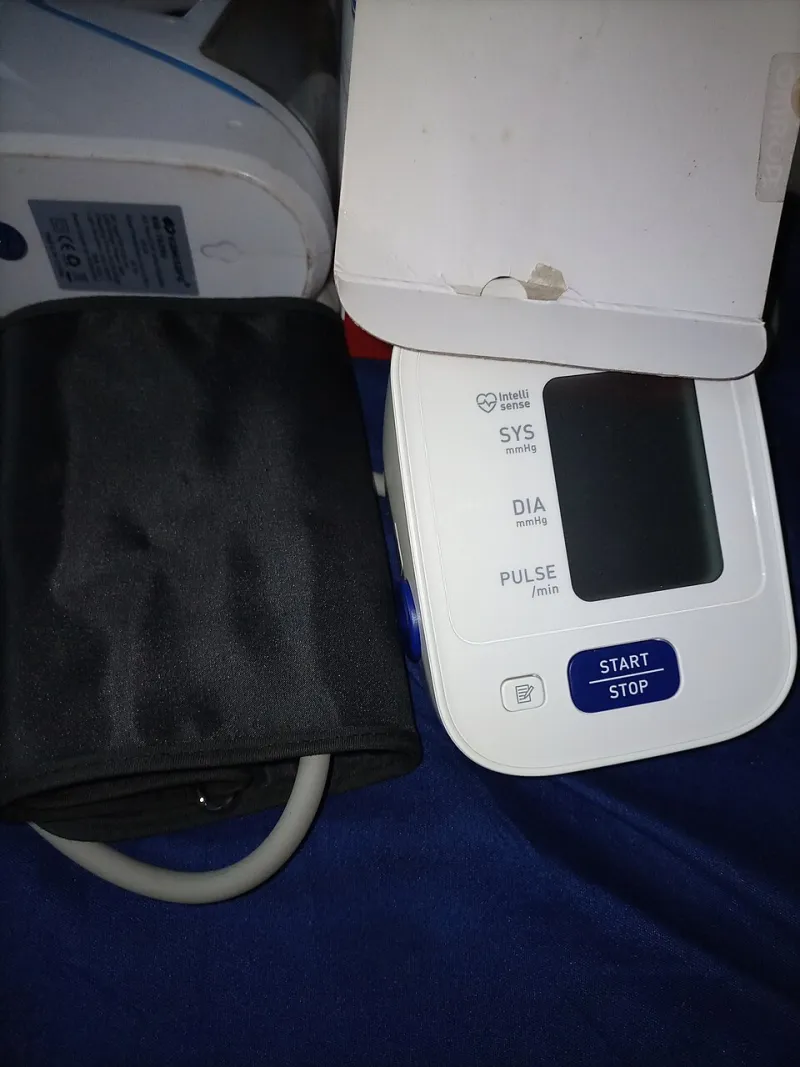
Health professionals draw a meaningful distinction between reactive and proactive purchasing. Reactive purchasing happens in the moment of distress—ordering a sleep supplement at 2 AM because you cannot fall asleep, or buying antacids at midnight because you are currently experiencing heartburn. Proactive purchasing, by contrast, happens in a calmer state: restocking your medicine cabinet before you need it, ordering a three-month supply of a daily vitamin, or purchasing a blood pressure monitor for ongoing monitoring.
Neither is inherently problematic. Reactive purchasing at 3 AM can be entirely rational—if you are experiencing a real symptom and the product you are ordering is appropriate for it, the fact that it is late at night does not make the purchase a poor one. The 24/7 availability of a pharmacy like MedShop 24x7 exists precisely for these moments.
However, health professionals do caution against a specific pattern: purchasing products in a state of heightened anxiety that you would not consider in a calmer moment. If you find yourself at midnight adding an array of supplements to your cart because you read a concerning article about immune health, it may be worth pausing. Ask yourself: Would I still want this at noon tomorrow? If the answer is yes, proceed. If the honest answer is uncertain, consider saving the cart and revisiting it in the morning.
The Rise of the Prepared Household
Not every late-night health purchase is anxiety-driven. A significant and growing segment of nighttime shoppers are what might be described as preparedness-oriented consumers. These are individuals who use quiet evening hours—after children are in bed, after the workday is fully closed out—to audit their home medicine cabinet, identify gaps, and restock proactively.
This is, frankly, excellent health behavior. A well-stocked home medicine cabinet reduces the likelihood that a minor health event will become a crisis simply because the right product was not on hand. It also reduces the pressure to make rushed decisions under stress.
For this group, the 3 AM timestamp on their order is less about distress and more about lifestyle. Night is when they have time.
What Nighttime Shoppers Are Actually Buying
Across late-night health shopping patterns, a few categories consistently dominate:
- Sleep support products: Melatonin, magnesium supplements, and herbal sleep aids are among the most frequently ordered items in overnight windows. The logic is self-evident.
- Digestive health: Antacids, anti-gas medications, and probiotic supplements see elevated nighttime demand, particularly on weekends—likely reflecting late meals and dietary choices.
- Pain relief: Headache remedies, muscle pain products, and general analgesics move steadily through all hours.
- Cold, flu, and allergy remedies: These spike seasonally and are often ordered reactively—someone wakes up with a scratchy throat and orders what they need before going back to sleep.
- Chronic condition supplies: Individuals managing diabetes, hypertension, or other ongoing conditions often use late-night hours to reorder supplies they track carefully.
Making the Most of 24/7 Access
The availability of a round-the-clock pharmacy is a genuine asset for American households—but like any tool, it is most valuable when used thoughtfully. Here are a few principles to guide late-night health shopping:
Keep a running list. Rather than shopping reactively every time a need arises, maintain a note on your phone of items to restock. Review and order from that list during your next available window, whether that is 10 AM or 10 PM.
Know your go-to products in advance. Researching which pain reliever, antihistamine, or sleep aid works best for you is a task better done when you are not already in distress. Familiarity with your own preferences leads to faster, more confident decisions at any hour.
Use symptom-checking resources before purchasing. If you are unsure whether a product is appropriate for what you are experiencing, consult a reliable health resource before adding it to your cart. Many symptoms that feel alarming at 3 AM are addressed by straightforward OTC remedies—but some warrant a call to a medical professional rather than a shopping session.
Do not let convenience replace medical care. A 24/7 pharmacy is a complement to your healthcare, not a substitute for it. If your symptoms suggest something beyond the scope of OTC management, the most important call you can make is to a healthcare provider—not a checkout button.
A New Kind of Health Behavior
The midnight wellness run is not going away. If anything, as online pharmacy access continues to expand and Americans become more comfortable managing their health independently, late-night health shopping will become an even more normalized part of daily life.
At MedShop 24x7, we believe that access to health products at any hour is a meaningful benefit—one that can reduce suffering, support preparedness, and put individuals in greater control of their own wellbeing. The key is approaching that access with the same thoughtfulness you would bring to any health decision, regardless of what the clock says.
Because good health decisions do not have business hours. And neither do we.