When Health Crises Don't Wait: Navigating the Unexpected Medical Moments That Strike After Hours

Photo: Commonpersoon, CC0, via Wikimedia Commons
There is a particular kind of helplessness that arrives at 11:30 on a Tuesday night when your eight-year-old's forehead is burning, the children's fever reducer ran out two weeks ago, and the nearest 24-hour pharmacy is twenty minutes away. Or when your cat has eaten something suspicious and your usual veterinary clinic's phone rings through to voicemail. Or when a dinner party appetizer triggers a reaction you did not know you were susceptible to.
These are not edge-case scenarios. They are the kinds of unpredictable health situations that American families encounter regularly—and that consistently arrive outside the convenient window of 9 AM to 6 PM, Monday through Friday.
At MedShop 24x7, we hear from customers every night who are navigating exactly these moments. And while our pharmacy is open every hour of every day, we also know that the best crisis is the one that never becomes one—because you were already prepared. This guide profiles some of the most common after-hours health emergencies and offers practical strategies for handling each.
The Fever That Climbs While Everyone Sleeps
Few experiences are more anxiety-inducing for parents than watching a child's temperature rise in the middle of the night. Fevers in children are extremely common and, in most cases, manageable with appropriate OTC medication—but only if that medication is on hand.
The challenge is that children's fever reducers, particularly flavored liquid formulations, are easy to forget to restock. They get used during an illness, the bottle gets placed back in the cabinet with a little left in it, and the next time a fever strikes, there is not enough.
Preparation strategy: Keep two bottles of children's acetaminophen and children's ibuprofen in your home at all times—one in use, one sealed as backup. Check expiration dates quarterly. If your child is old enough for adult formulations, ensure you have those as well. Know the correct dosing by weight before you need it, not during a 2 AM scramble.
Also important: understand when a fever requires emergency medical attention versus OTC management. A fever above 104°F, a fever in an infant under three months, or a fever accompanied by severe symptoms such as difficulty breathing or a stiff neck warrants immediate medical care regardless of the hour.
The Allergic Reaction That Appears Without Warning
Allergic reactions do not announce themselves in advance. They arrive at dinner tables, during outdoor events, and sometimes in the middle of the night when a new laundry detergent irritates sensitive skin. Mild to moderate allergic reactions—hives, itching, nasal congestion, watery eyes—are generally manageable with OTC antihistamines. Severe reactions involving throat swelling or breathing difficulty are medical emergencies requiring immediate 911 contact.
The problem is that households frequently run out of antihistamines between allergy seasons, and the need for one can arise at any point in the year.
Preparation strategy: Stock both a fast-acting antihistamine such as diphenhydramine and a non-drowsy option such as cetirizine or loratadine. If anyone in your household has a known severe allergy, ensure that prescribed epinephrine auto-injectors are current and accessible. Review expiration dates on all allergy medications every six months.
For new or unexplained reactions, document what the affected person ate, touched, or was exposed to in the hours before the reaction. This information is valuable for a follow-up conversation with a healthcare provider.
The Period Emergency That Arrives Off-Schedule
Menstrual cycles are not always predictable, and even when they are, the supplies needed to manage them can run out at inconvenient moments. An early period, a heavier flow than anticipated, or simply a miscounted supply can leave someone in genuine distress late at night—particularly in situations where getting to a physical store is difficult.
This category of need is deeply practical and deserves to be treated matter-of-factly. Feminine hygiene products, pain relief for menstrual cramping, and related health supplies are essential health items.
Preparation strategy: Maintain a consistent reserve of preferred products rather than purchasing only what is needed for a single cycle. Over-the-counter pain relievers formulated specifically for menstrual discomfort—typically containing ibuprofen or naproxen sodium—should be part of any well-stocked home medicine cabinet. For individuals with consistently difficult cycles, a conversation with a healthcare provider about longer-term management strategies is worthwhile.
The Pet Emergency on a Sunday Evening
For the roughly 67 percent of American households that own a pet, animal health emergencies are a very real component of after-hours crisis planning. Dogs in particular are prone to ingesting things they should not—household chemicals, certain foods, small objects—and cats can experience sudden illness without obvious prior symptoms.
While MedShop 24x7 is focused on human health products, this scenario is worth addressing because the stress of a pet emergency often drives people to seek human OTC products for their animals—which can be extremely dangerous. Many human medications are toxic to pets.
Preparation strategy: Know the number for the ASPCA Animal Poison Control Center (888-426-4435) and your nearest 24-hour veterinary emergency clinic before you need them. Do not administer human medications to pets without explicit veterinary guidance. Keep your pet's medical records and a list of any known health conditions accessible.
The Wound That Needs More Than a Band-Aid
Cooking injuries, falls, and minor accidents happen constantly in American homes—and they have a notable tendency to occur in the evening, when people are active in kitchens, garages, and backyards. A cut that needs proper cleaning and closure, a burn that requires appropriate wound care, or a sprain that needs support can all be managed at home if the right supplies are available.
Preparation strategy: A comprehensive home first aid kit should include: sterile gauze in multiple sizes, adhesive bandages in a range of sizes, medical tape, antiseptic solution or wipes, antibiotic ointment, a cold pack, elastic bandage wraps, tweezers, and medical scissors. Review and restock this kit annually or after any significant use.
Know the signs that a wound requires professional care: deep lacerations that may need stitches, wounds that will not stop bleeding after ten to fifteen minutes of direct pressure, burns larger than three inches or located on the face or hands, and any wound showing signs of infection.
The Medication That Runs Out on a Long Weekend
For individuals managing chronic conditions, running out of a prescription medication over a holiday weekend is not merely inconvenient—it can be medically serious. While prescription refills require coordination with a healthcare provider and pharmacy, many chronic condition management supplies and OTC adjunct products can be ordered and delivered without a prescription.
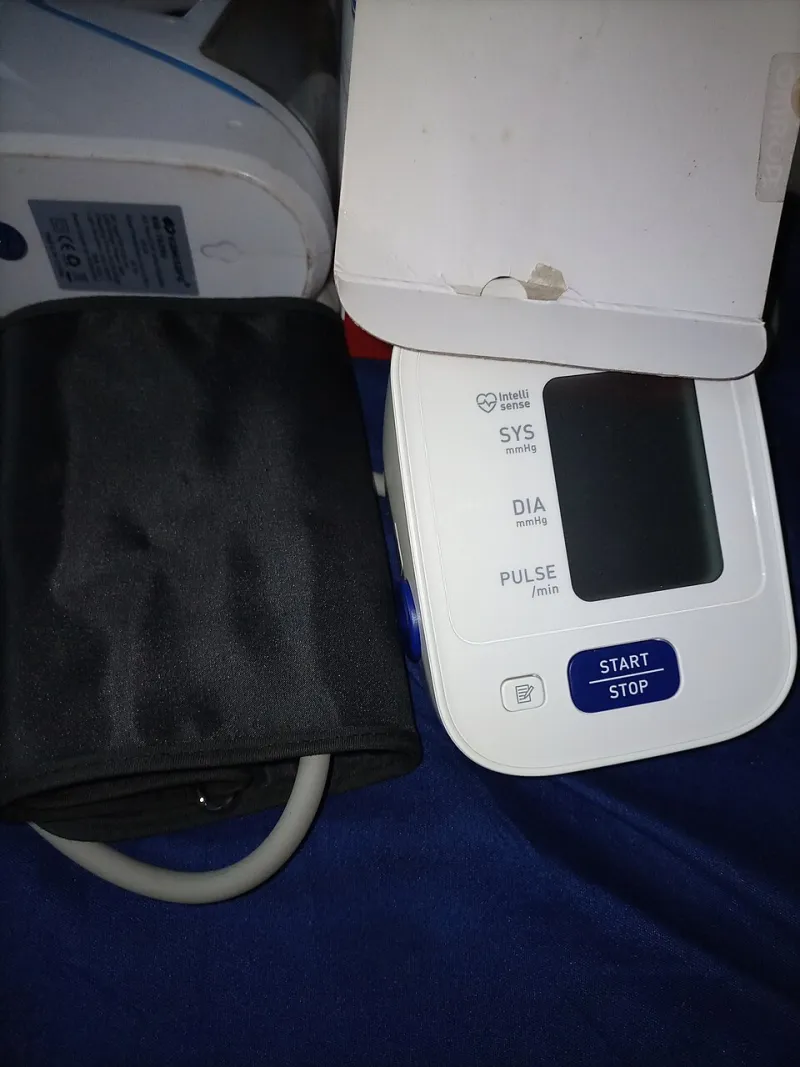
Preparation strategy: Set a calendar reminder to request prescription refills at least one week before your supply is expected to run out. Maintain a list of your medications, dosages, and prescribing providers in an accessible location. For supplies related to chronic condition management—glucose monitoring supplies, blood pressure cuffs, nebulizer accessories—keep a backup supply and reorder before you reach the last unit.
Preparation Is the Real Prescription
The scenarios above are different in their specifics, but they share a common thread: each one is made significantly more manageable by advance preparation. The stress of a midnight health crisis is real, and it is compounded when you are also scrambling to figure out what you need and how to get it.
Having access to a 24/7 pharmacy means that even when preparation falls short, solutions are available. But the households that navigate after-hours health emergencies most effectively are those that have already thought through their vulnerabilities, stocked accordingly, and know what to do—and when to call for professional help—before the moment of crisis arrives.
At MedShop 24x7, we are here every hour of every day. But our greatest hope is that when you do need us at midnight, it is for a planned restock—not a panicked search.