Timing Is Everything: How the Clock Shapes What Your Medications Actually Do
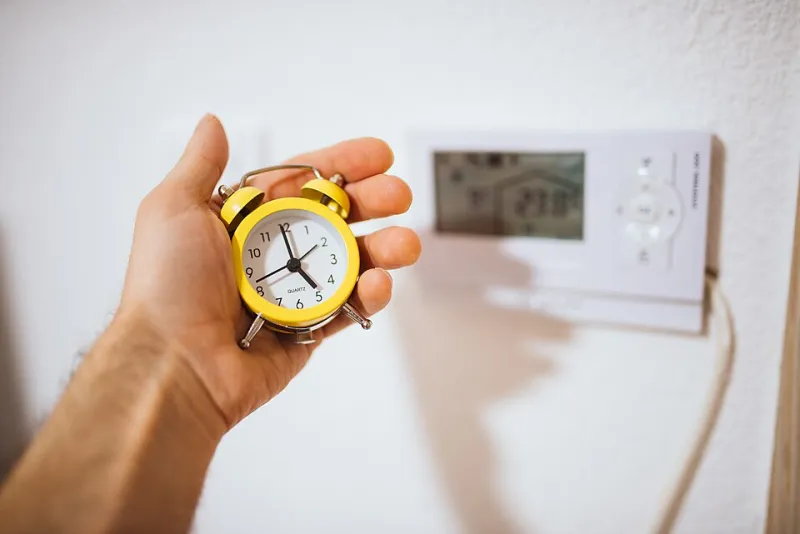
Photo: Shixart1985, CC BY 2.0, via Wikimedia Commons
Your Body Has a Clock—and So Does Your Medicine
Most Americans pick up a prescription, glance at the label, and follow the instruction that reads "take once daily" without giving much thought to when that daily dose should land. Yet an entire branch of pharmacology—chronopharmacology—exists precisely because the human body does not treat a 7 AM pill the same way it treats a 3 AM pill. Biological rhythms govern everything from liver enzyme activity to blood pressure fluctuation to hormone secretion, and those rhythms interact with medications in ways that can amplify benefit, reduce side effects, or, in some cases, work against the drug entirely.
For the roughly 15 million Americans working night shifts, as well as the estimated 70 million who struggle with chronic sleep disruption, these interactions are not abstract science. They are daily clinical realities.
What Circadian Rhythms Actually Do to Drug Metabolism
The human circadian system is anchored by a master clock in the brain's suprachiasmatic nucleus, which coordinates secondary clocks in virtually every organ, including the liver, kidneys, and gastrointestinal tract. Because these organs are responsible for absorbing, processing, and clearing drugs from the body, their cyclical activity patterns directly influence how a medication performs.
Consider a few well-documented examples:
Statins and cholesterol synthesis. The liver produces the majority of the body's cholesterol during nighttime hours. Shorter-acting statins—such as simvastatin and lovastatin—are therefore most effective when taken in the evening, because they are present in the bloodstream precisely when cholesterol synthesis peaks. Longer-acting statins like atorvastatin are more forgiving of timing, but evening dosing still reflects sound pharmacological reasoning.
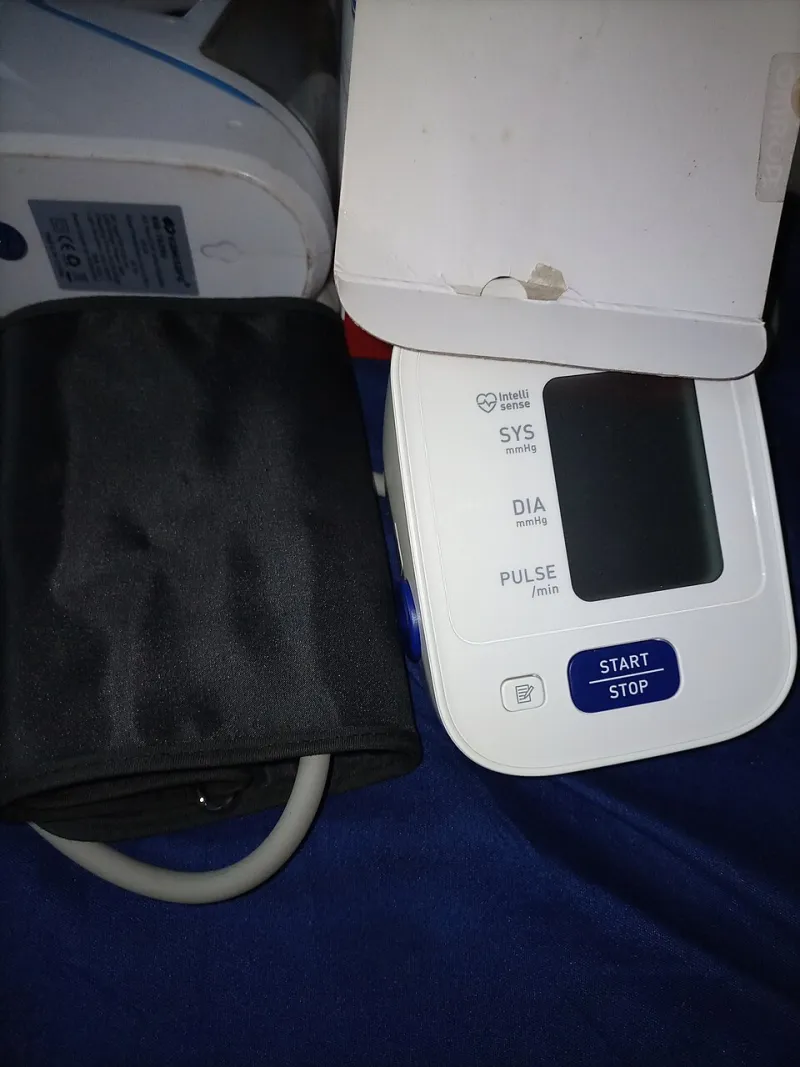
Antihypertensive medications. Blood pressure follows a well-characterized daily arc, typically rising sharply in the early morning hours—a phenomenon tied to the surge of cortisol and catecholamines that precede waking. For patients with non-dipping hypertension (those whose blood pressure does not fall during sleep), bedtime dosing of certain antihypertensives has been associated with improved cardiovascular outcomes in clinical research.
Corticosteroids. Because the adrenal glands naturally release cortisol in the early morning, taking corticosteroid medications in the morning mimics this physiological rhythm and tends to minimize suppression of the adrenal axis, as well as reducing the insomnia and agitation that nighttime dosing can provoke.
Allergy medications and antihistamines. Histamine levels in the body tend to rise overnight, which is why allergic symptoms—runny nose, itchy eyes, asthma flares—so often worsen in the early morning hours. Taking a long-acting antihistamine the evening before can position the drug to intercept this histamine surge at its peak.
The 3 AM Dose: When Irregular Schedules Complicate Standard Instructions
For someone working a traditional 9-to-5 schedule, prescription instructions keyed to "morning" or "bedtime" map naturally onto the day. For a night-shift nurse, a long-haul truck driver, or a parent dealing with chronic insomnia, those same instructions become genuinely ambiguous.
Should "take at bedtime" mean 7 AM after a night shift ends? Should "take in the morning" mean noon, when a night worker wakes? The answer depends significantly on the medication in question, and it is not always intuitive.
For medications where timing is primarily about habit and adherence—many antibiotics, for instance—consistency matters more than clock time. Taking an antibiotic at the same interval every day, even if that interval is anchored to an unconventional schedule, typically preserves efficacy.
For medications where timing is tied to biological rhythms—statins, antihypertensives, corticosteroids, and some psychiatric medications—the anchor should ideally reflect the individual's personal circadian phase, not the clock on the wall. A night worker whose "subjective night" begins at 8 AM and whose "subjective morning" begins at 4 PM has a shifted circadian rhythm, and their medication schedule should ideally reflect that shift.
Practical Strategies for Complex or Irregular Schedules
Navigating medication timing when your schedule defies convention requires deliberate planning. The following approaches can help:
Anchor to your sleep cycle, not the clock. For medications that interact with circadian rhythms, identify your personal sleep onset and wake times and use those as your reference points. "Bedtime" means your bedtime, not midnight.
Use a written or digital medication log. When dosing times shift across days—common for rotating shift workers—a written log reduces the risk of double-dosing or missed doses. Numerous free smartphone apps are designed specifically for this purpose.
Speak with your pharmacist about reformulations. Some medications are available in extended-release formulations that are less sensitive to precise timing. A pharmacist can advise whether a switch might reduce the burden of exact scheduling.
Never adjust prescription timing without professional guidance. While this article provides educational context, changes to a prescribed medication schedule should always be discussed with a physician or pharmacist. Some medications—thyroid hormones, certain psychiatric drugs, anticoagulants—carry meaningful risks if timing is altered without clinical oversight.
Stock what you need before you need it. At MedShop 24x7, we understand that the moment you realize you're out of a critical OTC supplement or need a new pill organizer is rarely during business hours. Our pharmacy is stocked and accessible around the clock, precisely because health management does not pause at 5 PM.
A Quick Reference: Timing Matters Most for These Medication Classes
| Medication Class | Preferred Timing | Why It Matters |
|---|---|---|
| Short-acting statins | Evening | Matches peak cholesterol synthesis |
| Antihypertensives (select) | Bedtime (per physician guidance) | Targets early-morning BP surge |
| Corticosteroids | Morning | Mirrors natural cortisol release |
| Antihistamines (long-acting) | Evening | Anticipates overnight histamine rise |
| Iron supplements | Morning, fasting | Optimal absorption window |
| Thyroid hormone (levothyroxine) | Morning, 30–60 min before eating | Absorption impaired by food |
| Bisphosphonates (osteoporosis) | Morning, fasting, upright | Strict absorption and safety requirements |
This table is for general educational purposes only. Always follow your prescriber's specific instructions.
The Bottom Line
Pharmacology does not operate in a vacuum. It operates inside a body governed by rhythms that shift, adapt, and respond to the demands of modern life—including schedules that bear no resemblance to sunrise and sunset. Understanding the relationship between time and medication efficacy is not merely academic. For millions of Americans managing chronic conditions on unconventional schedules, it is a practical tool for better health outcomes.
When questions arise at 2 AM about whether it is safe to take a dose now or wait until morning, having a trusted, always-available resource matters. MedShop 24x7 exists for exactly that reason—because the clock should never be a barrier to informed, effective health management.