Around the Clock, In Control: A Practical Guide to Managing Chronic Illness Beyond Office Hours
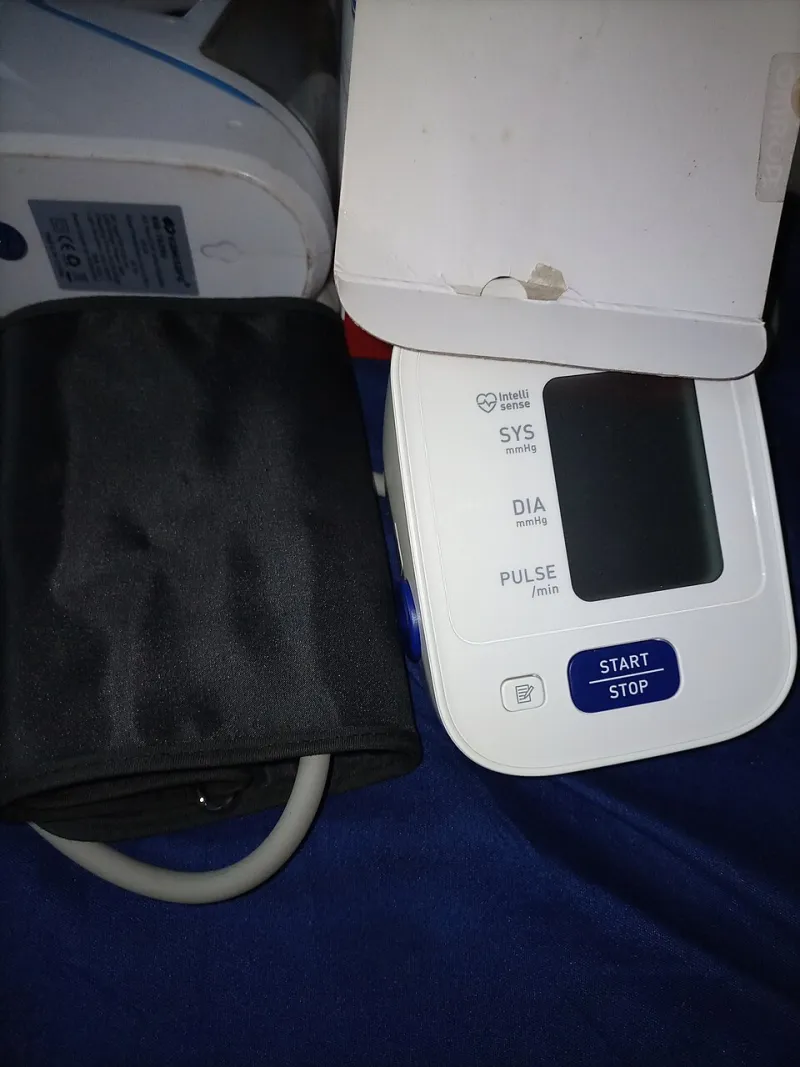
Photo: Adefanike, CC BY-SA 4.0, via Wikimedia Commons
Chronic Illness Does Not Keep Business Hours
For the approximately 133 million Americans living with at least one chronic condition, the management of that condition is a continuous task. Diabetes does not pause on federal holidays. Asthma does not wait for Monday morning. Hypertension does not schedule itself for convenient check-in times. Yet the traditional healthcare infrastructure—built around scheduled appointments, clinic hours, and reactive rather than proactive care—has historically left patients with significant gaps in guidance and support between visits.
The good news is that those gaps are narrowing. A combination of affordable home monitoring technology, expanding telehealth services, and well-stocked online pharmacies has made it increasingly possible for informed patients to manage their conditions effectively at any hour. This guide is designed to help you understand your options, recognize your limits, and build a support system that works around the clock.
Know Your Numbers: Home Monitoring as a Foundation of Chronic Care
Effective self-management begins with accurate, consistent data. For most major chronic conditions, reliable home monitoring devices are widely available, covered by many insurance plans, and straightforward to use.
Diabetes and blood glucose management. Continuous glucose monitors (CGMs) have transformed diabetes management for many patients, providing real-time readings and trend alerts without the need for repeated finger sticks. Traditional blood glucose meters remain highly effective and considerably more affordable. Either way, tracking your glucose data between appointments gives both you and your care team a far more complete picture than a single in-office reading.
Hypertension. Home blood pressure cuffs are among the most important and underutilized tools in chronic care. Blood pressure is inherently variable—affected by stress, activity, caffeine, and the anxiety of a clinical setting (the so-called "white coat effect"). A validated home cuff used consistently provides the kind of longitudinal data that informs genuinely sound treatment decisions. The American Heart Association recommends upper-arm cuffs over wrist models for accuracy.
Asthma and respiratory conditions. Peak flow meters offer a simple, inexpensive way to track lung function daily. A personal best reading established over time becomes a meaningful benchmark—allowing you to recognize early deterioration before symptoms become severe enough to warrant emergency care.
Heart rate and oxygen saturation. Pulse oximeters, now standard in many American households following the COVID-19 pandemic, provide a rapid, non-invasive check on oxygen levels. For patients with COPD, heart failure, or other conditions affecting respiratory function, these devices offer meaningful overnight peace of mind.
Recognizing What Requires Immediate Attention
Home monitoring is a powerful tool, but it functions best when paired with a clear understanding of which readings or symptoms demand immediate emergency response versus which can be safely managed and discussed with a physician at the next available opportunity.
Seek emergency care immediately for:
- Blood glucose readings below 54 mg/dL that do not respond to fast-acting carbohydrates
- Chest pain, pressure, or tightness, particularly with shortness of breath or radiating arm pain
- Severe asthma attack that does not respond to a rescue inhaler
- Blood pressure readings above 180/120 mmHg accompanied by symptoms such as headache, vision changes, or chest discomfort (hypertensive crisis)
- Sudden confusion, slurred speech, facial drooping, or arm weakness (stroke symptoms)
- Oxygen saturation readings consistently below 90% at rest
Monitor closely and contact your provider during next available hours for:
- Blood glucose readings that are elevated but below crisis thresholds, with no acute symptoms
- Mildly elevated blood pressure without accompanying symptoms
- Increased inhaler use without acute distress
- New or worsening symptoms that are uncomfortable but not severe
This distinction—between what is urgent and what is important—is one of the most valuable frameworks a chronic illness patient can internalize. It reduces unnecessary emergency room visits while ensuring that genuinely serious developments receive immediate attention.
Telehealth: Your 24-Hour Clinical Connection
The expansion of telehealth services in the United States has created meaningful options for patients who need clinical guidance outside of standard office hours. Many primary care practices now offer after-hours nurse lines or portal messaging with guaranteed response windows. Dedicated telehealth platforms—several of which operate around the clock—provide access to licensed physicians and nurse practitioners for non-emergency consultations.
For chronic condition patients, telehealth is particularly valuable for:
- Prescription refill requests and medication questions
- Interpreting an unusual monitoring reading
- Managing a new symptom that requires professional context but not emergency care
- Mental health support, which is an often-overlooked component of chronic illness management
Before you need after-hours guidance, take time to identify which telehealth options are covered by your insurance and save those contact numbers in an accessible location.
Building Your At-Home Support Arsenal
Beyond monitoring devices and telehealth access, a thoughtfully stocked home supply of OTC products can meaningfully extend your capacity to manage day-to-day symptoms and minor fluctuations without a clinic visit.
Depending on your specific conditions, consider maintaining a reliable supply of:
- Fast-acting glucose sources (glucose tablets, juice boxes) for hypoglycemic events
- Saline nasal rinse kits and OTC bronchodilator inhalers (where appropriate) for respiratory management
- Compression socks and wound care supplies for diabetes-related circulation and skin health
- Electrolyte supplements for conditions affected by hydration status
- Digital thermometers and symptom-tracking journals to document patterns over time
At MedShop 24x7, our inventory is organized with the chronic condition patient in mind. Whether it is 9 AM or 3 AM, the supplies you depend on are available for order and on their way—because running out of glucose tablets at midnight is not a problem that can wait until morning.
Building a System That Holds at Any Hour
The most effective chronic illness management is not reactive—it is structural. It means having a written action plan (often called a sick-day plan or emergency action plan) developed in advance with your physician. It means knowing your numbers, understanding your thresholds, and having your supplies in place before a situation becomes critical.
It also means recognizing that you are not managing your condition alone. The combination of home monitoring technology, telehealth access, and always-available retail resources has created a genuine ecosystem of support that extends well beyond any single appointment.
Your health does not clock out. Neither do we.