Left Behind After Sundown: The Rural Pharmacy Crisis Millions of Americans Face Every Night
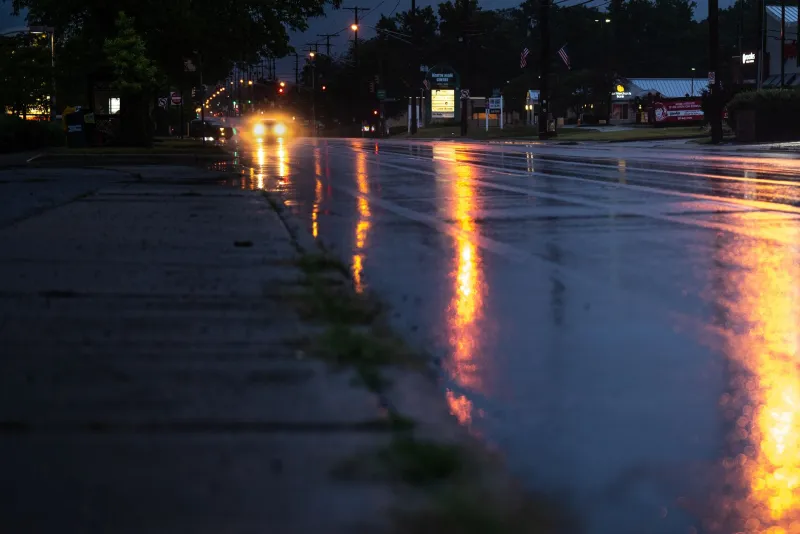
It is close to 11 p.m. in a small farming community in rural Mississippi. A grandmother is managing a fever that won't break, and she needs acetaminophen. The nearest pharmacy closed at 6 p.m. The next closest one—a 40-minute drive over poorly lit two-lane roads—closed at 9. The emergency room is 55 miles away. This is not an unusual scenario. For a significant portion of the American population, it is simply Tuesday night.
While conversations about healthcare access tend to center on insurance coverage and physician shortages, the quiet collapse of rural pharmacy infrastructure represents an equally pressing—and far less discussed—crisis. The hours between dusk and dawn reveal a geography of neglect that no amount of telehealth enthusiasm has yet fully resolved.
The Numbers Behind the Darkness
According to data from the National Community Pharmacists Association, more than 630 independent pharmacies closed across the United States in a single recent year, with rural communities absorbing a disproportionate share of those closures. The National Rural Health Association estimates that roughly one in five Americans lives in a rural area, yet those communities are served by a dramatically smaller percentage of the country's pharmacies—and the ones that do operate typically maintain restricted hours.
In urban centers, 24-hour pharmacy locations—whether standalone or embedded within large grocery chains—are common enough that most residents live within a short drive of one. In contrast, residents of frontier and rural counties may travel 30, 50, or even 80 miles to reach any pharmacy at all. After 9 p.m., that number effectively becomes infinite, because no nearby option exists at any distance.
The consequences are measurable. Studies published in peer-reviewed journals including the Journal of Rural Health have linked pharmacy deserts to higher rates of medication non-adherence, increased emergency room utilization for conditions that could have been managed at home, and elevated rates of preventable hospitalizations among patients managing chronic conditions such as diabetes, hypertension, and asthma.
When Geography Becomes a Medical Condition
Consider what pharmacy access looks like through the lens of a chronic illness patient. A person managing Type 2 diabetes in suburban Chicago who runs low on insulin supplies at midnight has options. A person in the same situation in a rural county in West Texas may not. The medication itself is identical. The gap is purely geographic and temporal.
This disparity is compounded by demographic realities. Rural populations tend to skew older, carry higher rates of chronic illness, and have lower median incomes than their urban counterparts. These are precisely the populations for whom reliable, affordable medication access matters most—and they are the ones least likely to have it.
Transportation adds another layer of difficulty. Many rural elderly residents no longer drive, particularly after dark. Family caregivers who might otherwise make an emergency pharmacy run often work multiple jobs, making late-night trips logistically untenable. The assumption embedded in traditional pharmacy hours—that someone in the household can simply go pick up a prescription during business hours—reflects an urban and suburban reality that does not translate to rural life.
The Partial Promise of Telehealth and Mail-Order Services
The rapid expansion of telehealth services over the past several years has been genuinely transformative in some respects. A rural patient can now consult a physician at 2 a.m. without leaving home. Prescriptions can be transmitted electronically within minutes of a virtual visit. For many conditions, this represents a meaningful improvement over the pre-pandemic status quo.
Mail-order pharmacy services offer a related form of relief. Ninety-day supplies of maintenance medications—the kind used to manage ongoing conditions rather than acute episodes—can be delivered directly to a patient's door, eliminating dozens of trips to a physical location each year. For patients who know their medication needs in advance, this is a practical and cost-effective solution.
However, both of these innovations carry limitations that deserve honest acknowledgment. Telehealth, for all its convenience, cannot prescribe controlled substances in many states without prior in-person evaluation, cannot assess certain physical symptoms remotely, and depends on reliable broadband internet—which remains unavailable to roughly 21 million rural Americans according to Federal Communications Commission data. Mail-order pharmacy services are excellent for planned, recurring needs, but they are structurally incapable of addressing urgent, same-day medication requirements.
If a child develops a severe ear infection on a Saturday evening and needs amoxicillin that night, a three-to-five business day mail delivery window is not a solution. It is a reminder of the problem.
What Preparedness Can—and Cannot—Solve
One practical response to this structural gap is proactive home health preparedness. Rural households, in particular, benefit from maintaining a well-stocked supply of over-the-counter medications and first-aid essentials that can bridge the gap between a medical need and the next available pharmacy window. Fever reducers, antihistamines, antidiarrheal medications, wound care supplies, and a reliable blood pressure cuff represent a reasonable foundation.
Online pharmacies that operate around the clock—accessible at any hour, any day—offer rural Americans a meaningful supplement to whatever limited local options exist. While same-day delivery remains geographically constrained, the ability to place an order at 11 p.m. and receive it within 24 to 48 hours is a genuine improvement over waiting until Monday morning when a local pharmacy reopens. For non-urgent but time-sensitive needs, this option carries real value.
The key distinction is between acute needs—which require either a local resource or an emergency room—and sub-acute needs, where a reliable online pharmacy can meaningfully reduce the burden. Understanding that distinction, and planning accordingly, is itself a form of healthcare literacy that rural residents are increasingly being asked to develop out of necessity rather than choice.
A Structural Problem Requiring Structural Solutions
It would be convenient to frame rural pharmacy access as a problem that technology has already solved, or that individual preparedness can fully address. Neither claim is accurate. The closure of rural pharmacies reflects economic forces—declining reimbursement rates, PBM consolidation, and population decline—that individual consumer behavior cannot reverse.
Policy-level interventions, including enhanced reimbursement models for rural pharmacies, expanded scope-of-practice allowances for pharmacists, and continued investment in broadband infrastructure, are necessary components of any durable solution. Several states have begun piloting telepharmacy programs that allow a remote pharmacist to supervise prescription dispensing at a local kiosk—a model that holds genuine promise for communities too small to sustain a full-time pharmacy.
Until those solutions mature and scale, the gap remains real and the burden falls on the people who can least afford to carry it. Rural Americans navigating a late-night health need deserve more than workarounds. They deserve the same reliable access to medication that their urban counterparts take for granted every single night.
At MedShop 24x7, we believe that pharmacy access should not be determined by zip code or the position of the sun. That conviction shapes everything we do—because for millions of Americans, the hours after dark are not a minor inconvenience. They are simply the hours when they need help the most.