Timing Your Allergy Relief: The Circadian Science That Makes Antihistamines More Effective

For millions of Americans who reach for an antihistamine each morning, the routine feels straightforward: take a pill, wait for relief. Yet many of those same individuals find their symptoms breaking through by afternoon, or discover that nighttime congestion and sneezing disrupt their sleep far more than expected. The missing variable in most allergy management plans is not the medication itself—it is the timing.
Allergies are not random. They are governed, in significant part, by the same internal clock that regulates your sleep, your cortisol levels, and your body temperature. Matching your treatment schedule to that clock is one of the most practical—and most overlooked—strategies available to allergy sufferers today.
How Your Body Produces Histamine Around the Clock
Histamine is the chemical compound at the center of most allergic responses. When your immune system encounters an allergen—pollen, pet dander, dust mites—mast cells release histamine, triggering the familiar cascade of sneezing, itching, watery eyes, and nasal congestion.
What most people do not realize is that histamine release is not uniform throughout the day. Research in the field of chronobiology—the study of biological rhythms—has consistently shown that the body's sensitivity to allergens fluctuates according to circadian patterns. Mast cell activity and histamine receptor sensitivity tend to be significantly elevated during the early morning hours, roughly between 4:00 a.m. and 8:00 a.m. This is why so many allergy sufferers wake up in a fog of congestion and sneezing, only to find symptoms slightly more manageable by midday.
Additionally, cortisol—a naturally occurring anti-inflammatory hormone—is at its lowest point during the overnight hours and peaks shortly after waking. During those low-cortisol nighttime hours, the body has less of its own natural defense against inflammatory responses, making allergen exposure during sleep particularly problematic.
The Case for Taking Antihistamines at Night
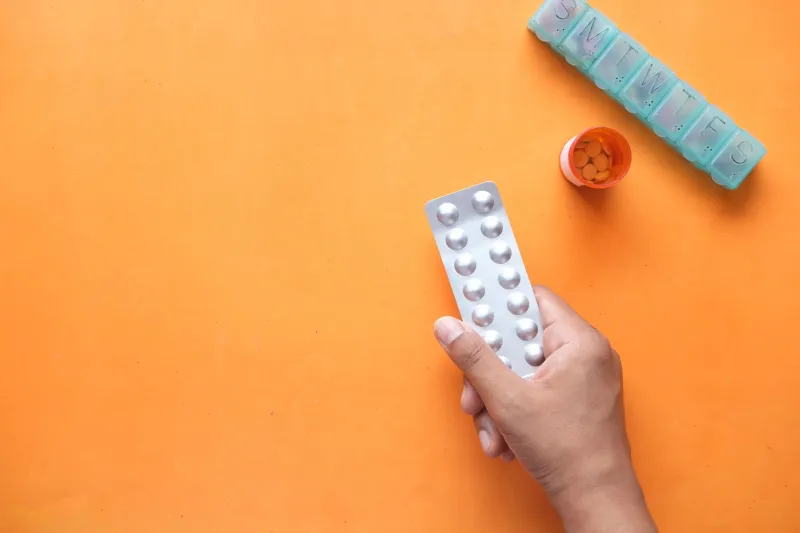
For individuals whose worst symptoms occur in the morning, the most effective strategy may be to take a once-daily antihistamine the evening before rather than the morning of. Several clinical studies have examined the pharmacokinetics of second-generation antihistamines such as cetirizine (Zyrtec), fexofenadine (Allegra), and loratadine (Claritin), finding that peak plasma concentrations are reached within one to three hours of ingestion and that protective effects can persist well beyond twelve hours.
If you take your antihistamine at 10:00 p.m., the medication is near its peak efficacy during the early morning window when histamine activity is naturally highest. By contrast, taking the same pill at 7:00 a.m.—after your symptoms have already begun—means you are medicating reactively rather than proactively.
Cetirizine, in particular, has a documented sedating effect in some users, making it a practical choice for evening administration. Loratadine tends to be less sedating and may suit individuals who require morning clarity but still wish to front-load their coverage against early symptoms.
Nasal Corticosteroid Sprays: The Timing Advantage Most Users Miss
Over-the-counter nasal corticosteroid sprays—including fluticasone propionate (Flonase) and triamcinolone acetonide (Nasacort)—are among the most effective tools available for managing persistent allergic rhinitis. Unlike antihistamines, these sprays do not work immediately; they require consistent daily use to build an anti-inflammatory effect in the nasal passages.
However, timing still matters. Because nasal inflammation tends to peak during overnight and early morning hours, many allergists recommend administering corticosteroid sprays at night. The spray's active period can then coincide with the body's most vulnerable window. Users who take their nasal spray only in the morning may find that its protective effect is waning precisely when nighttime inflammation begins.
For new users of nasal corticosteroid sprays, it is worth noting that full efficacy typically requires one to two weeks of consistent use. Starting a spray regimen before allergy season peaks—rather than waiting until symptoms become severe—is a strategy that pays dividends throughout the season.
Decongestants: A Different Calculation
Oral decongestants such as pseudoephedrine and phenylephrine operate through a different mechanism, constricting blood vessels in the nasal passages rather than blocking histamine receptors. These medications are generally stimulating rather than sedating, which makes nighttime use inadvisable for most individuals.
For those dealing with morning congestion, a short-acting decongestant taken upon waking can provide targeted relief during peak symptom hours. However, decongestants are not appropriate for long-term daily use, and individuals with hypertension, heart conditions, or thyroid disorders should consult a healthcare provider before using them.
Combination products that pair an antihistamine with a decongestant—such as cetirizine-D or loratadine-D—offer a middle ground but require careful timing. The antihistamine component benefits from evening dosing, while the decongestant component may interfere with sleep. Reading labels carefully and understanding each active ingredient's role is essential when managing a combination product.
Nighttime Allergens Require a Separate Strategy
Not every allergy sufferer's worst hours are in the morning. For individuals primarily sensitized to indoor allergens—dust mites, mold spores, or pet dander—the overnight environment itself is the primary source of exposure. Dust mites, in particular, thrive in bedding and mattresses, making the sleep environment a concentrated allergen zone.
For these individuals, the timing strategy shifts. An antihistamine taken in the late afternoon—around 3:00 p.m. to 5:00 p.m.—may reach peak blood concentration during the early evening hours, providing maximum coverage as the individual moves into their sleeping environment. Pairing this with encasement covers for pillows and mattresses, regular washing of bedding in hot water, and high-efficiency air filtration creates a more comprehensive defense.
Pet allergies present a similar challenge. If a pet sleeps in or near the bedroom, allergen levels in that space are consistently elevated throughout the night. Antihistamine coverage during sleeping hours becomes especially important, reinforcing the value of evening dosing.
Pollen Calendars and Personalized Timing
Outdoor pollen levels follow predictable daily and seasonal patterns. Grass and tree pollens typically peak during morning hours in most regions of the United States, while ragweed—a dominant late-summer and fall allergen—tends to release pollen in the mid-morning and can remain elevated through the afternoon. Wind patterns, temperature, and humidity all modulate these patterns.
Many weather apps and dedicated pollen tracking services now provide hourly pollen forecasts, allowing sufferers to anticipate high-exposure windows and plan their medication timing accordingly. For someone who commutes outdoors during a high-pollen period, ensuring that antihistamine levels are at their peak during that window—not two hours after the commute—can make a measurable difference in symptom burden.
Accessing the Right Products at the Right Hour
Building a precise allergy management schedule depends on having the right medications on hand when you need them—including at 11:00 p.m. when you realize your supply has run out the night before a high-pollen forecast. MedShop 24x7 operates around the clock precisely because health needs do not adhere to business hours. Whether you require a second-generation antihistamine, a nasal corticosteroid spray, or a combination decongestant product, having access to a fully stocked pharmacy at any hour ensures that a timing strategy can actually be followed.
The science of chronopharmacology may be complex, but the practical takeaway is straightforward: when you take your allergy medication matters nearly as much as which medication you take. Align your dosing schedule with your body's biological clock, and the relief you experience may surprise you.