While America Sleeps, They Verify: Inside the Overnight Shift of a 24/7 Pharmacy

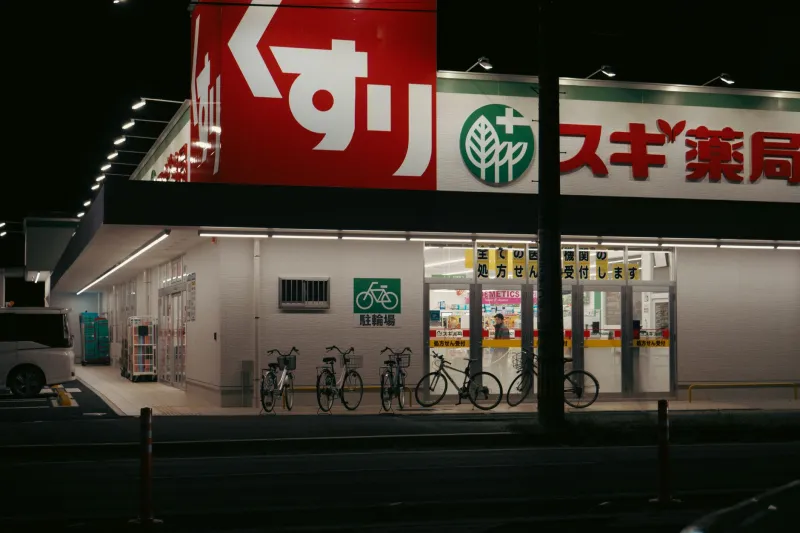
Photo: Curd-Christian Tengeler/IAU OAE, CC BY 4.0, via Wikimedia Commons
At 2:47 AM on a Tuesday, most of the United States is dark. But in a well-lit verification room, a licensed pharmacist named Dana reviews a prescription for a blood thinner flagged by an automated interaction check. The patient is a 68-year-old in rural Ohio whose cardiology appointment isn't until Friday. Dana has eleven minutes to decide whether the order ships tonight or waits for a human callback in the morning.
This is the quiet, consequential work of America's overnight pharmacy workforce — the people who make round-the-clock medication access possible.
Who Chooses to Work While the World Rests
The overnight staff at 24/7 online pharmacies is smaller than daytime crews but no less credentialed. A typical night shift includes a licensed pharmacist-in-charge, one or two certified pharmacy technicians, and a rotating roster of customer care agents trained to escalate clinical questions rather than answer them.
Ask why they work nights, and the answers vary. Some cite the premium pay differentials common in 24-hour operations. Others point to lifestyle fit — parents who trade childcare hours with a spouse, graduate students completing pharmaceutics degrees, or veterans of hospital night rotations who prefer the autonomy of quieter hours.
There is also a philosophical pull. "During the day, you're processing two hundred orders and everything feels transactional," one technician describes. "At night, each order is a story. Someone's kid has an ear infection. Someone ran out of insulin. You actually get to think."
The Anatomy of a Midnight Order
An order placed at 1 AM triggers a chain of events most customers never see:
- Automated triage. Software screens the prescription for drug interactions, duplicate therapy, dosing anomalies, and insurance irregularities within seconds.
- Human verification. A pharmacist reviews anything the system flags, cross-checking the prescriber's license and the prescription's legitimacy.
- Controlled substance scrutiny. Orders for scheduled medications face additional layers, including prescription drug monitoring database checks where applicable.
- Fulfillment and handoff. Technicians count, label, and package; the order joins the earliest outbound shipping cycle.
The overnight window is when the system's safeguards are most tested. Fewer staff mean each person carries broader responsibility, and prescriber offices are closed — so any question that requires a doctor's confirmation must wait, or be resolved through on-call protocols.
The 3 AM Judgment Call
The hardest moments come when an order is technically valid but clinically troubling. A patient ordering a controlled substance for the third time in two weeks. A prescription with a dosage that seems inconsistent with the condition listed. A new customer whose first order is a full quantity of a high-risk medication.
Pharmacists describe these as the nights' real work. The options are rarely binary: hold the order and delay a possibly urgent need, or release it and accept a safety risk. Overnight staff lean on escalation trees, on-call supervising pharmacists, and their own clinical training — but ultimately, the license on the wall belongs to the person who clicks approve.
"You develop a kind of calibrated caution," one pharmacist explains. "You learn the difference between a red flag and a red herring. And when you're not sure, you hold. A frustrated customer at 3 AM is recoverable. A harmed one is not."
The Human Cost and Reward of Night Work
Circadian disruption is a genuine occupational hazard. Research on shift work links it to metabolic and sleep disorders, and responsible employers mitigate this with consistent schedules, blackout-friendly break rooms, and protected recovery time between shifts.
Yet many overnight pharmacy workers describe a durable sense of purpose. Every verified order is a small act of public health performed in anonymity. The patient in Ohio never learns Dana's name. She goes home at 6 AM, sleeps through the afternoon, and returns the next night to do it again — one of thousands of invisible professionals keeping America's medication supply chain honest, hour after hour.
The next time your refill confirmation arrives at some ungodly hour, remember: a person read it, checked it, and decided it was safe. That decision took eleven minutes. It just looked like a click.