Two Pills Left at 11 PM: Five Habits That Ensure You Never Run Out of Medication Again
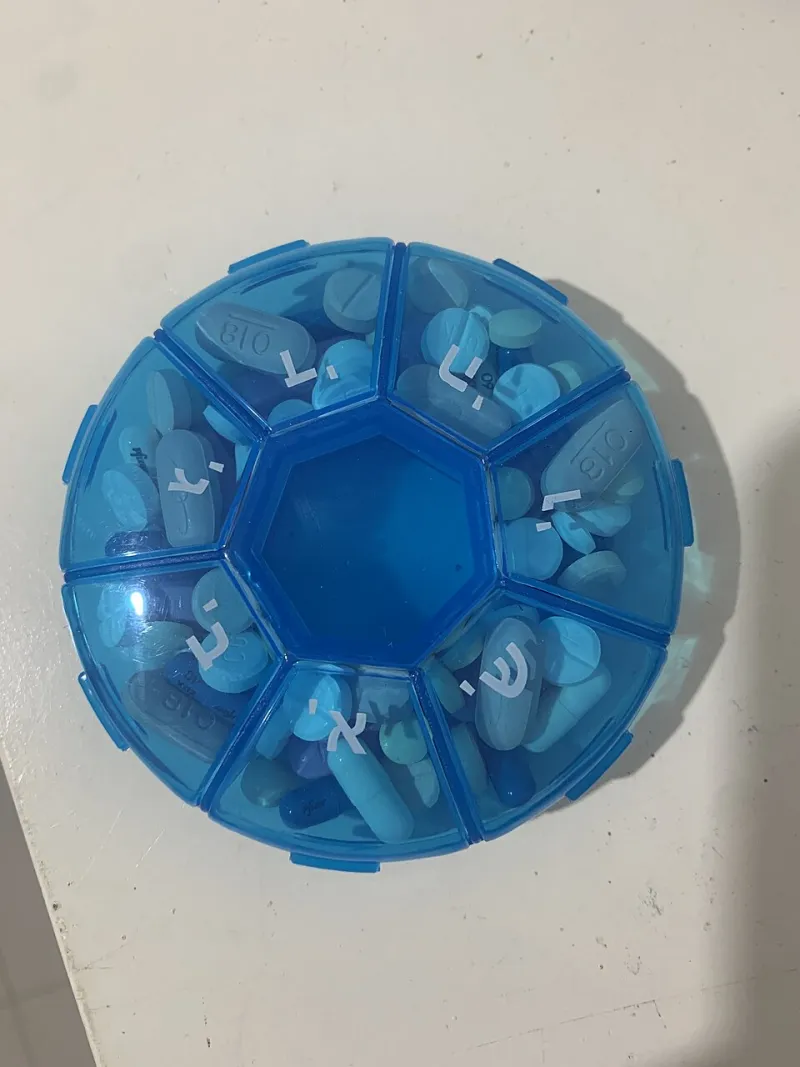
Photo: יוחי טייס, CC BY-SA 4.0, via Wikimedia Commons
It happens to nearly everyone managing a daily medication. You shake the bottle, and two tablets rattle at the bottom. It's 11 PM. Your pharmacy's customer service closed hours ago, and you have a 7 AM dose that cannot be skipped.
That moment of panic is not a personal failing — it's a systems failure. The good news: it's fixable with a handful of habits that take less effort than the panic does.
1. Engineer Your Refills, Don't Remember Them
Willpower is a terrible refill strategy. Auto-refill programs, offered by most online and retail pharmacies, convert your renewal from a memory task into a default. But enrollment alone isn't enough — audit the setup:
- Confirm the ship date buffer. An auto-refill that triggers when you have three days of medication left leaves no room for shipping delays. Ask for a 7-to-10-day buffer.
- Verify that every maintenance medication is enrolled, not just the one you remembered.
- Set a personal trigger: when any bottle hits 25% full, act that day, regardless of what the pharmacy's system says.
2. Sync Everything to One Calendar You Actually Check
Fragmentation is the enemy. Medication renewals scattered across pill bottles, pharmacy apps, and insurance renewal dates guarantee that something slips.
Consolidate by creating recurring calendar events for each prescription's refill date, with a reminder three days ahead. Better yet, align prescriptions to a single renewal cycle — most pharmacies will synchronize multiple maintenance medications so they all refill on the same day. One shipment, one pickup trip, one mental load.
3. Upgrade From Bottle to System
A seven-day pill organizer is the classic tool, but smart organizers now add a layer of protection: compartments that alert your phone when a dose is missed, and built-in indicators of how many days of supply remain. Even a low-tech organizer serves a critical secondary function — it converts your remaining supply into a visible count. You can see a shortage coming two weeks out instead of discovering it at bedtime.
4. Build a Backup Pharmacy Relationship Before You Need One
Every primary pharmacy eventually fails its customers: a stockout, a system outage, an insurance hiccup, a snowstorm. The prepared patient maintains a plan B.
- Know which 24/7 online pharmacy can ship an urgent refill overnight if your primary cannot.
- Keep your prescription records accessible — a photo of every label, including prescriber and dosage, stored in your phone.
- Understand your insurer's policy on out-of-network or emergency refills, because a vacation-week crisis is not the time to learn the rules.
5. Plan for Travel Like a Logistician
Travel is where otherwise solid systems collapse. Before any trip longer than your supply buffer:
- Carry medication in original labeled containers in your carry-on, never checked luggage.
- Request an early refill or a vacation supply from your pharmacy at least two weeks ahead — many insurers allow one override per year for exactly this purpose.
- Pack two extra days beyond your return date. Delays happen, and a one-day buffer is not a buffer.
From Panic to Protocol
The through-line in all five habits is the same: move medication management from reactive to architectural. The 11 PM pill count panic is what happens when a critical supply chain — your own — runs on memory and luck.
Each habit takes under an hour to establish and pays for itself the first time it prevents a missed dose. Your future self, rattling a bottle at some inconvenient hour, will be glad you built the system now.