Midnight Fulfillment: The Hidden Workforce and Systems That Deliver Your Medications While You Sleep
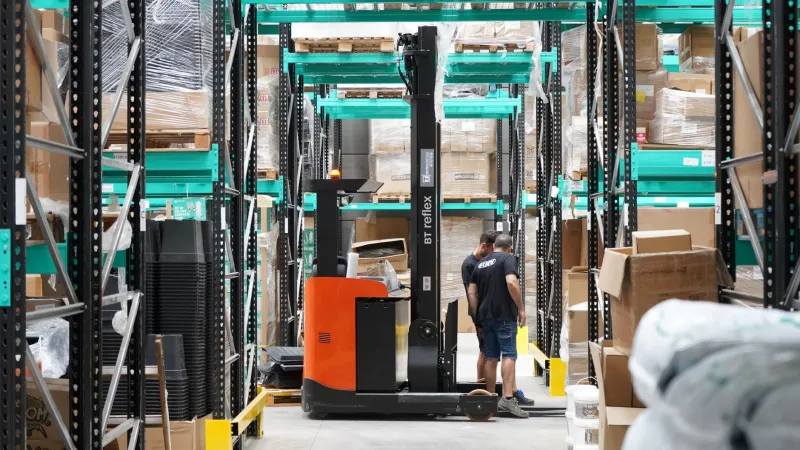
At 11:47 PM on a Tuesday, somewhere in a climate-controlled fulfillment center, a pharmacist reviews a prescription flagged by an automated system. A technician cross-references a patient's medication history. A conveyor belt moves sealed packages toward a shipping dock. The world outside is quiet. Inside, an entire operation hums at full capacity.
For most Americans, the experience of a 24/7 online pharmacy begins and ends with a screen. They search, they select, they submit. What follows—the verification, the picking, the packing, the dispatching—remains largely invisible. Yet the infrastructure sustaining that seamless experience is anything but simple.
The Human Element: Staffing a Pharmacy That Never Closes
Round-the-clock pharmacy operations require a staffing model that most industries would find daunting. Unlike a typical retail environment where overnight hours mean a skeleton crew, pharmaceutical fulfillment demands consistent professional oversight regardless of the hour. Licensed pharmacists must be present or reachable at all times to approve prescriptions, field clinical questions, and authorize controlled substance releases.
This creates what industry insiders sometimes call the "third shift challenge." Recruiting and retaining qualified pharmacists for overnight work is significantly more difficult than filling daytime roles. The talent pool is smaller, compensation expectations are higher, and the psychological demands of sustained nocturnal work are well-documented. Fulfillment operations that have solved this problem typically rely on a combination of dedicated overnight staff, rotating shift structures that prevent burnout, and remote pharmacist verification systems that allow licensed professionals to review orders from distributed locations across the country.
Pharmacy technicians, meanwhile, handle the physical work of picking medications from inventory, verifying lot numbers and expiration dates, and preparing packages for dispatch. On overnight shifts, these teams tend to be leaner—but the workload does not necessarily reflect that. Consumer ordering patterns show significant spikes in late-night and early-morning submissions, particularly among patients managing chronic conditions, caregivers ordering on behalf of others, and shift workers whose schedules invert the conventional day.
Quality Control in the Dark: Why Overnight Verification Is More Rigorous Than You Might Expect
There is a common assumption that after-hours operations involve relaxed oversight. In pharmaceutical fulfillment, the opposite is generally true. Regulatory requirements from the Drug Enforcement Administration and state pharmacy boards do not adjust for time of day. Every prescription must be verified. Every controlled substance must be tracked. Every shipment must meet the same documentation standards at 3 AM as it does at 3 PM.
Many operations actually layer additional verification steps into overnight workflows as a precaution against fatigue-related errors. Barcode scanning at multiple stages of the fulfillment process creates a documented chain of custody for each order. Automated dispensing systems cross-reference the scanned medication against the verified prescription before a package is sealed. Some facilities use computer vision technology to confirm that the correct pills are present before the final packaging step.
Refrigerated medications—insulin, certain biologics, some eye drops—require temperature-monitored storage and packaging around the clock. Overnight staff are responsible for checking that cold chain conditions are maintained, that ice packs or gel coolants meet minimum temperature thresholds, and that packaging is appropriate for the expected transit environment. A medication that leaves the fulfillment center in perfect condition can be compromised by inadequate thermal packaging before it ever reaches a front door.
The Technology Layer: Systems That Never Sleep
If human staff form the backbone of overnight pharmacy operations, technology is the nervous system. Pharmacy management software tracks inventory levels in real time, flagging low-stock items and triggering reorder processes before shortages affect fulfillment. Prescription verification platforms integrate with prescriber databases and insurance systems to catch errors, check for drug interactions, and confirm patient identity without requiring manual lookups for every transaction.
For an operation like MedShop 24x7, where orders arrive continuously throughout every hour of the day, automated routing systems determine how each order moves through the fulfillment process based on factors like medication type, shipping destination, and order priority. A controlled substance prescription from a new patient in California follows a different verification pathway than an over-the-counter refill from a returning customer in Ohio—and the system manages those differences without human intervention at every step.
Cybersecurity is a less visible but equally critical component. Pharmacy systems hold sensitive health information, payment data, and prescription records. Overnight hours, when IT support teams are reduced, represent a period of elevated vulnerability for cyberattacks. Reputable operations maintain continuous security monitoring, automated threat detection, and incident response protocols that function independently of business hours.
Logistics and the Last Mile: Getting Medications to the Door
Fulfillment is only half of the overnight equation. Once a package is prepared, it enters a logistics network that involves carrier handoffs, routing decisions, and delivery windows—none of which are fully within the pharmacy's control. The most sophisticated fulfillment operation in the country cannot guarantee delivery if the carrier network experiences delays.
This reality shapes how overnight orders are processed. Many facilities prioritize urgent medications—those for acute conditions, time-sensitive treatments, or patients who have flagged a supply emergency—for the earliest available carrier pickup. Standard orders may be batched and dispatched in waves aligned with carrier schedules. Understanding these logistics rhythms helps explain why an order placed at midnight might arrive at a different time than one placed at 6 AM, even when both are processed promptly.
Some operations have invested in regional micro-fulfillment centers to shorten the physical distance between inventory and patient. Positioning smaller fulfillment nodes in densely populated metro areas reduces transit time and increases the reliability of same-day or next-day delivery promises—even for orders that originate in the early morning hours.
What This Means for the Patient at Home
Understanding the operational depth behind a 24/7 pharmacy reframes what it means to place an order at an unconventional hour. The pharmacist reviewing your prescription at midnight is bound by the same professional and legal standards as their daytime counterpart. The technician packaging your medication is following a verified protocol, not improvising in an empty warehouse.
For patients who depend on uninterrupted access to medications—those managing diabetes, hypertension, chronic pain, or any number of conditions that do not observe business hours—this infrastructure is not a convenience. It is a clinical necessity. The systems described here exist precisely because health emergencies and supply needs do not schedule themselves around the hours when it is easiest to staff a building.
The next time you place an order after hours, the operation receiving it is already in motion. The third shift is on the floor, the systems are running, and your medication is already moving toward you.